Why Include Seeds in Your Diet - So Many to Choose From!!
Discover the practical health benefits of adding seeds to your daily diet, from regional favorites to global superfoods.
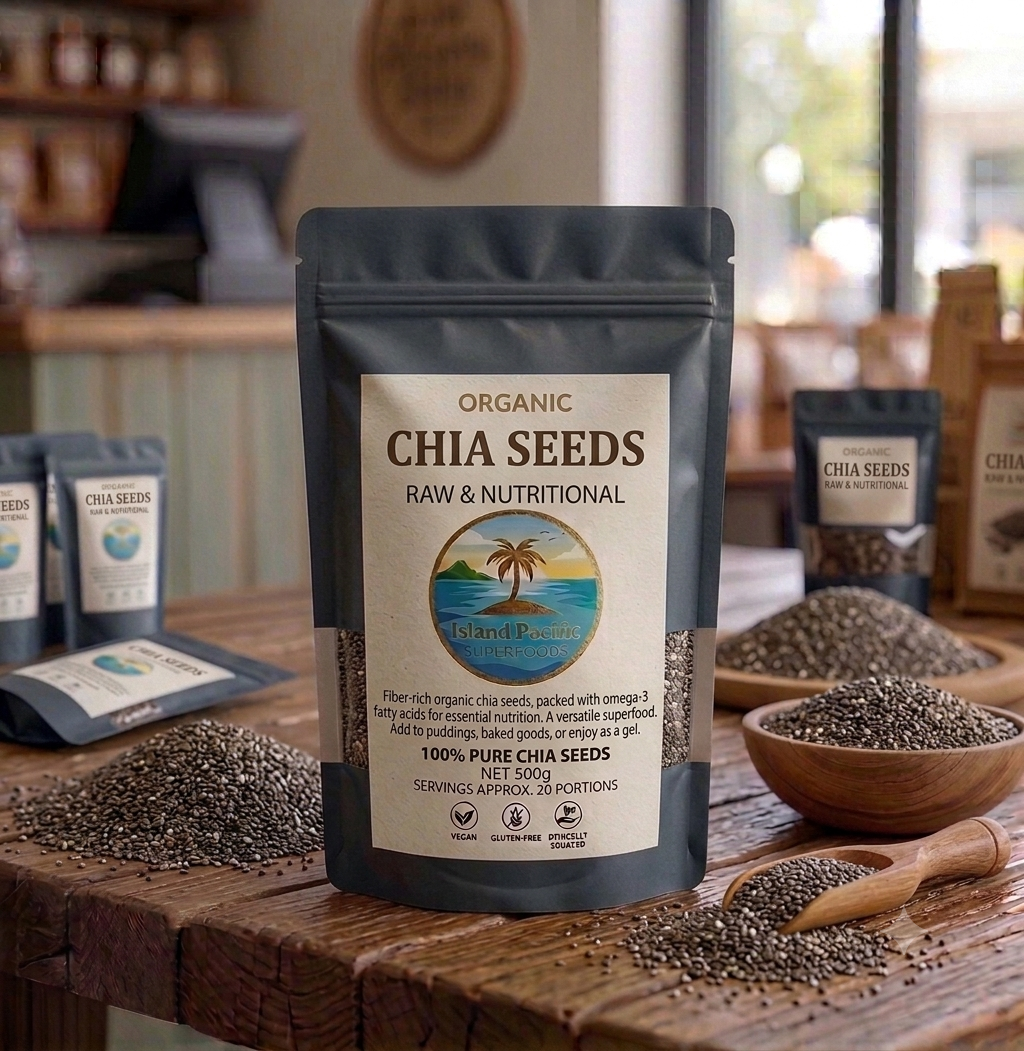
Small but mighty, seeds are among the most nutrient-dense foods nature provides. Including these versatile ingredients in your daily meals is a simple, effective way to support your overall well-being. From traditional Asian kitchens to modern wellness spaces, seeds have long been valued for their dense concentration of essential nutrients.
The Nutritional Value of Adding Seeds to Your Diet
Many people overlook seeds because of their size, but they serve as the foundational starting point for plant life. Consequently, they are packed with the concentrated energy, proteins, healthy fats, and minerals required to sustain growth.
When you include seeds in your diet, you introduce a diverse array of dietary fiber and essential fatty acids. Most seeds are rich in monounsaturated and polyunsaturated fats, which are crucial for maintaining healthy cholesterol levels and supporting cardiovascular function. Furthermore, they offer an excellent plant-based protein source for those following vegetarian or vegan lifestyles.
11 Essential Seeds to Include in Your Meals
To help you understand the unique profiles of different seeds, here is a comparison of eleven varieties that can easily be integrated into your kitchen routine.
| Seed Variety | Key Nutrients | Common Culinary Use |
| Chia Seeds | Omega-3 fatty acids, soluble fiber, calcium | Puddings, smoothies, baking |
| Flaxseeds | Lignans, alpha-linolenic acid (ALA), fiber | Ground into oatmeal, baking |
| Pumpkin Seeds | Magnesium, zinc, plant-based protein | Roasted snack, salad topper |
| Sunflower Seeds | Vitamin E, selenium, healthy fats | Trail mixes, seed butter |
| Sesame Seeds | Calcium, sesamin, iron, copper | Tahini, stir-fries, baking |
| Hemp Seeds | Complete protein, omega-3 and omega-6 | Sprinkled on yogurt, salads |
| Basil Seeds | Soluble fiber, iron, phytochemicals | Hydrated in drinks, desserts |
| Lotus Seeds | Potassium, magnesium, protein | Soups, teas, traditional desserts |
| Papaya Seeds | Papain, fiber, healthy monounsaturated fats | Ground as a black pepper substitute |
| Melon Seeds | B vitamins, magnesium, zinc | Roasted snacks, soups |
| Pili Seeds | Monounsaturated fats, magnesium, vitamin E | Raw or roasted snack, pesto |
Deep Dive: From Chia to Traditional Lotus Seeds
The Rise of Chia and Flax
Chia seeds and flaxseeds are highly regarded for their soluble fiber content. When mixed with liquid, chia seeds expand and form a gel-like consistency, which can help support steady digestion and promote a feeling of fullness. Flaxseeds contain high levels of lignans, which act as natural antioxidants.
Traditional Asian Seeds
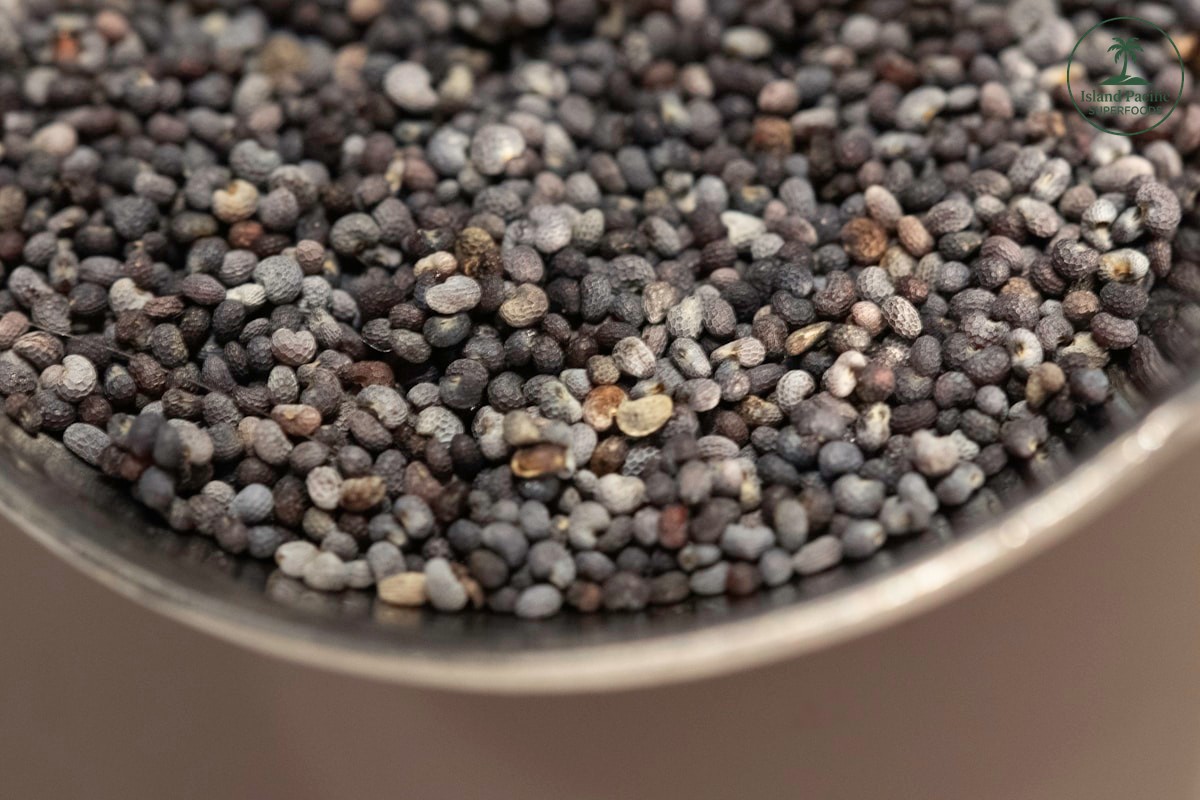
In many traditional culinary cultures, particularly in China, seeds have been utilized for both sustenance and wellness for thousands of years. Lotus seeds, sometimes referred to in regional trade as China seeds, are highly valued in East Asian cuisine. These seeds are traditionally used to support digestive health and promote a calm, balanced state of mind. Similarly, sesame seeds—deeply rooted in the food heritage of China and Southeast Asia—provide a rich source of calcium and copper, which are essential for maintaining bone density and joint health.
Nutrient-Dense Kernels
Pumpkin and sunflower seeds are excellent options for those looking to increase their mineral intake. Pumpkin seeds are one of the best natural sources of magnesium, a mineral that plays a vital role in muscle function and sleep regulation. Sunflower seeds are packed with vitamin E, a fat-soluble antioxidant that helps protect cells from oxidative stress.
Practical Ways to Eat More Seeds
Integrating these seeds into your daily routine does not require complex recipes. Here are a few straightforward methods to increase your intake:
* Breakfast Toppings: Sprinkle a spoonful of chia, hemp, or flaxseeds over your morning oatmeal, yogurt, or chia pudding.
* Baking and Cooking: Incorporate sesame or melon seeds into homemade bread, muffins, or savory stir-fries.
* Smoothie Boosters: Blend hemp or hydrated basil seeds into your favorite fruit and vegetable smoothies for added texture and protein.
* Savory Garnishes: Toast pumpkin or sunflower seeds lightly and use them to add a satisfying crunch to soups and salads.
FAQ
Do I need to grind seeds to absorb their nutrients?
Some seeds, like flaxseeds, have a tough outer hull that the human digestive system cannot easily break down. Grinding them before consumption helps your body absorb their beneficial fats and fiber. Other seeds, such as chia, hemp, and sesame, can be eaten whole, though grinding them can still enhance nutrient absorption.
How should I store seeds to keep them fresh?
Because seeds contain high amounts of delicate, healthy fats, they can spoil or become rancid if exposed to heat, light, and air for extended periods. It is best to store them in airtight containers in a cool, dark pantry. For long-term storage, keeping them in the refrigerator or freezer will preserve their nutritional quality and flavor.
Can I eat papaya seeds?
Yes, papaya seeds are entirely edible. They have a distinct, slightly spicy flavor reminiscent of black peppercorns and horseradish. They can be eaten raw, blended into dressings, or dried and ground to use as a nutritious pepper alternative.
Sourcing Quality for Better Health
When choosing which seeds to include in your diet, prioritizing quality and clean sourcing is key to maximizing their natural health benefits. At Island Pacific Superfoods, we believe the best nutrition comes from simple, minimally processed ingredients. We work directly with local family farms across the Philippines and Southeast Asia to source premium, sustainably grown superfoods and dried fruits. By selecting clean, responsibly harvested foods, you can support both your personal wellness journey and the traditional farming communities that cultivate these nutrient-rich treasures.
Island Pacific Superfoods
Island Pacific Superfoods