The Superfood Power of Moringa Powder
Discover the nutritional profile of moringa powder, known as malunggay in the Philippines, and how to easily integrate this green superfood into your diet.
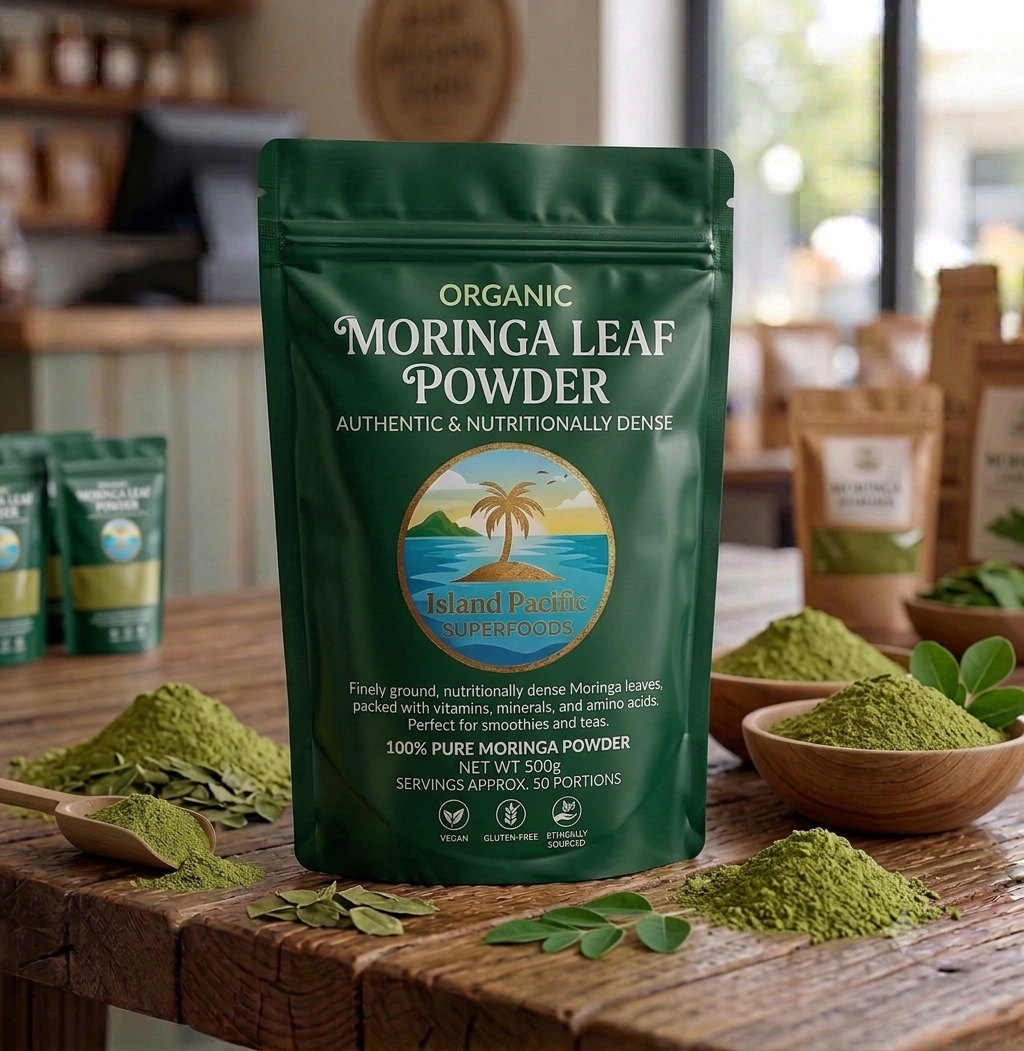
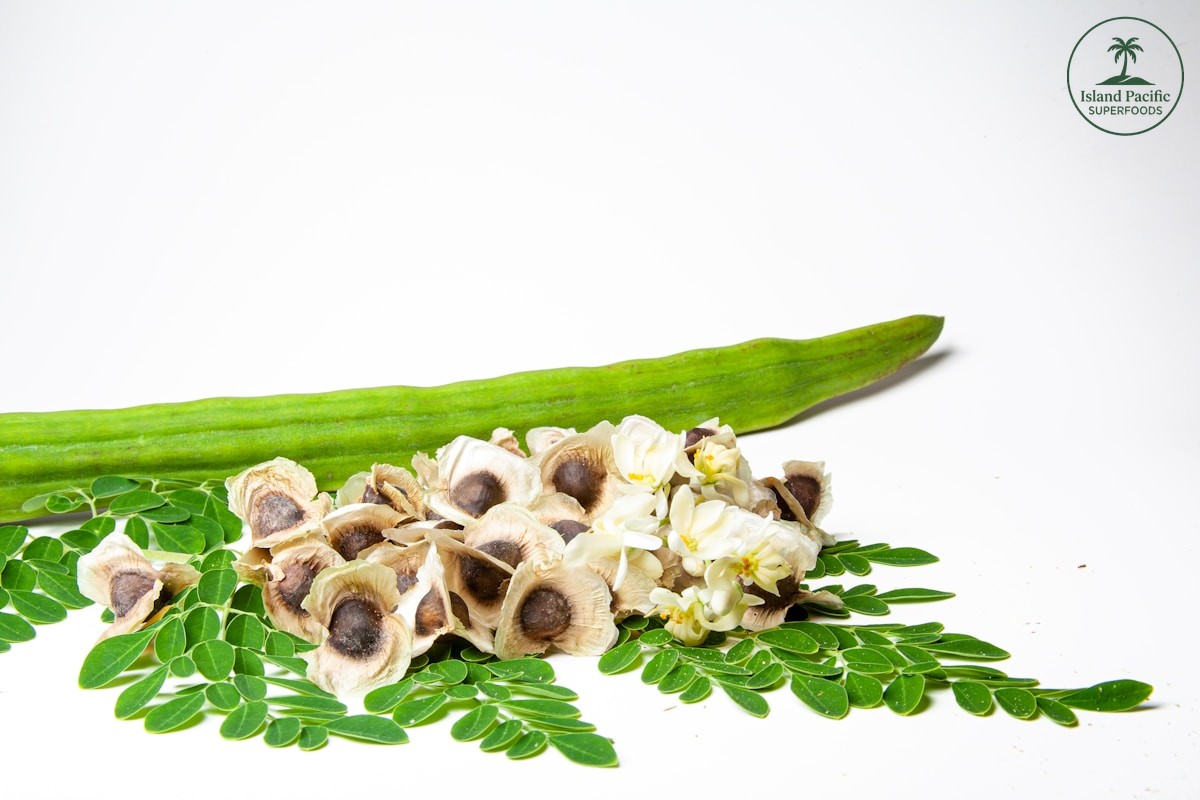
Moringa oleifera, traditionally known as malunggay (or mulunngay) in the Philippines, has transitioned from a backyard staple in Southeast Asia to a globally recognized botanical. As more people seek simple, plant-based ways to support their daily wellness, this vibrant green leaf offers a time-tested solution. Understanding the nutritional value of this resilient plant can help you make informed choices for your daily dietary routine.
The Heritage of Malunggay in the Philippines
In the Philippines, malunggay is deeply woven into the culinary and cultural fabric of daily life. Grown easily in tropical backyards, the fresh leaves are a common addition to traditional comforting dishes like chicken tinola. For generations, families have relied on this hardy tree as an accessible, everyday source of nourishment.
Today, the process of gently drying and milling these leaves into a fine moringa powder allows people worldwide to access these traditional benefits. This preservation method ensures that the plant's natural properties remain intact, offering a convenient, shelf-stable format for modern lifestyles.
Key Nutrient Profile of Moringa
The primary appeal of moringa powder lies in its concentrated nutritional density. Because the water content is removed during the drying process, the remaining green powder contains a higher concentration of nutrients by weight compared to fresh leaves. It serves as an excellent whole-food source of essential vitamins, minerals, and plant-based protein.
| Nutrient Group | Key Components | General Wellness Role |
| Vitamins | Vitamin A, Vitamin C, Vitamin E | Supports immune health and skin integrity |
| Minerals | Iron, Calcium, Potassium | Supports oxygen transport and bone strength |
| Antioxidants | Polyphenols, Flavonoids | Helps protect cells from oxidative stress |
| Macronutrients | Plant-based Protein, Dietary Fiber | Supports muscle maintenance and digestive health |
Understanding the Key Health Benefits
Incorporating moringa powder into your diet supports overall vitality in several gentle, sustainable ways. Rather than offering a quick fix, it provides foundational nourishment that works with your body over time.
* Antioxidant Support: Moringa leaves are rich in natural antioxidants, which help neutralize free radicals and support cellular health.
* Natural Vitality: Unlike caffeinated beverages, moringa provides a steady sense of energy through its rich iron and B-vitamin content, helping to reduce fatigue naturally.
* Digestive Wellness: The dietary fiber present in the powder supports a healthy gut microbiome and regular digestion.
* Nutritional Insurance: For those struggling to consume enough leafy greens, a small daily serving of moringa acts as a convenient nutritional safety net.
How to Use Moringa Powder Daily
Moringa powder has a distinct, earthy flavor similar to matcha or green tea, with a slightly peppery finish. Because it is a whole-food ingredient, it integrates easily into various sweet and savory recipes.
* Smoothies and Shakes: Blend half a teaspoon of powder into fruit smoothies to balance the sweetness with its earthy notes.
* Soups and Broths: Stir it into warm soups, stews, or savory broths just before serving to preserve its heat-sensitive nutrients.
* Teas and Lattes: Whisk the powder into warm water or plant-based milk with a touch of raw honey for a soothing green beverage.
The Honest Sales Pitch for Moringa Powder
In a market flooded with synthetic supplements, the most compelling sales pitch for moringa powder is its simplicity. It is not a laboratory-engineered compound or a temporary health trend. Instead, it is a minimally processed, whole-leaf food that has sustained communities for centuries. When you choose high-quality moringa, you are choosing a clean, single-ingredient product that aligns with a balanced, whole-food philosophy.
FAQ
What does moringa powder taste like?
Moringa powder has a pleasant, grassy, and slightly peppery taste, very similar to matcha green tea. It pairs well with both sweet fruits and savory dishes.
Can pregnant or nursing women consume moringa?
In the Philippines, malunggay is traditionally consumed by nursing mothers to support lactation. However, as with any dietary change, we recommend consulting your healthcare provider before adding it to your routine.
How much moringa powder should I take daily?
A standard serving is typically half to one teaspoon daily. It is best to start with a smaller amount to let your digestive system adjust.
Sourcing with Care
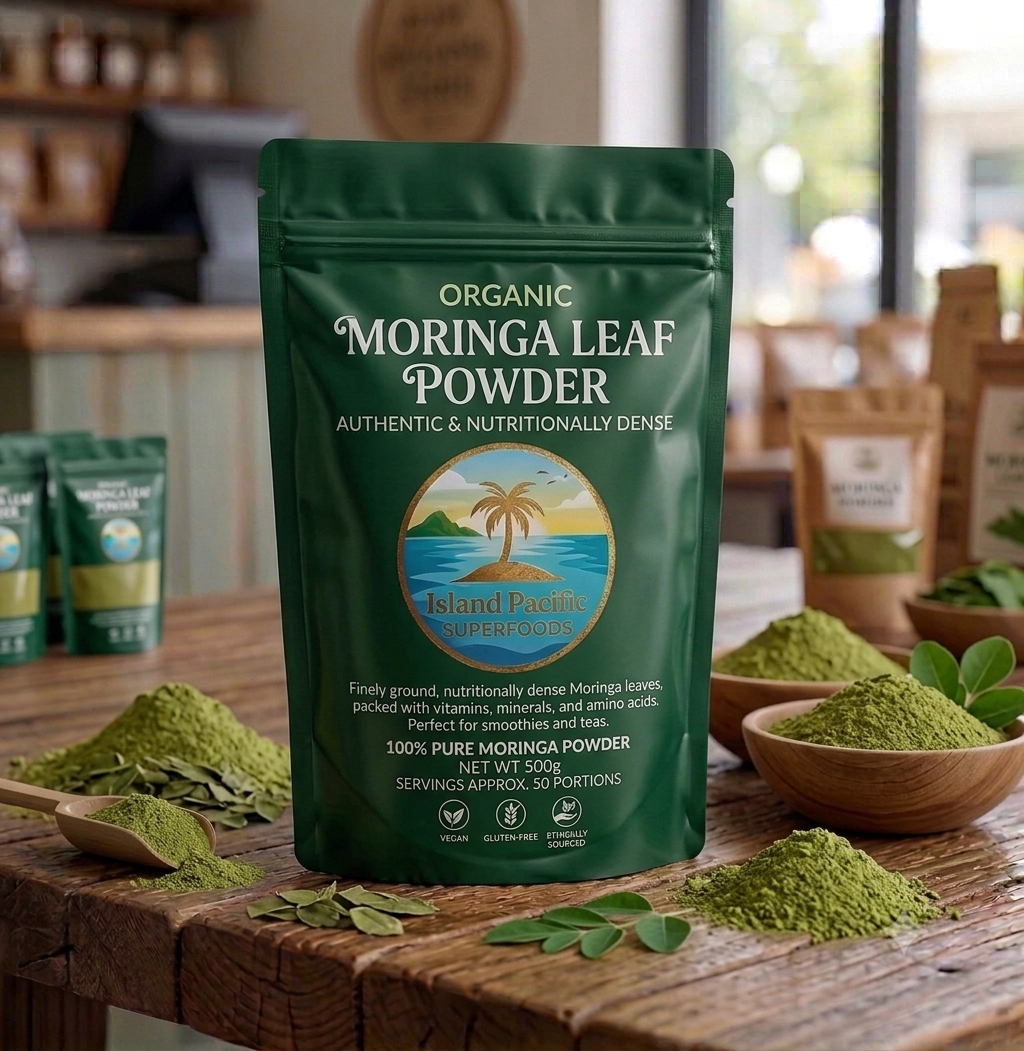
Embracing the benefits of moringa is a simple step toward a more balanced, nutrient-dense diet. At Island Pacific Superfoods, we believe the best nutrition comes directly from nature. That is why we source our premium moringa powder directly from family farms across the Philippines and Southeast Asia, ensuring fair trade practices and the preservation of traditional farming methods. By bringing these sustainably harvested superfoods straight to your kitchen in Hong Kong, we help you support both your personal wellness and the livelihoods of livelihoods of farming communities.
Island Pacific Superfoods
Island Pacific Superfoods